Researched and written 9 October 2026. Sources are listed at the end.
Warwick Castle
William the Conqueror built the first fort here in 1068 on a sandstone bluff above the River Avon, demolishing four houses of the Abbot of Coventry to make room. Rebuilt in stone in the twelfth century, its façade facing the town is one of the best-known pieces of fourteenth-century military architecture. Merlin Entertainments runs it as an attraction.
A town rebuilt after the fire
The Great Fire of Warwick on 5 September 1694 destroyed 460 buildings and left 250 families homeless. The town was rebuilt in the Georgian style by architects including Francis Smith and William and David Hiorne. Daniel Defoe thought few towns in England made so fine an appearance. Medieval timber-framed buildings still survive round the edges of the centre.
St Mary's and the Beauchamp Chapel
The fire burnt much of the medieval church of St Mary, but the chancel and the Beauchamp Chapel survived. The chapel was built between 1443 and 1464 for Richard Beauchamp, Earl of Warwick, whose copper-gilt effigy lies on his tomb.
Museums and racing
The Warwickshire Museum has two sites in the town: the seventeenth-century Market Hall, for archaeology, geology and natural history, plus St John's House, home to a Victorian kitchen and classroom and the Royal Warwickshire Regiment of Fusiliers Museum. Warwick Racecourse lies just west of the town centre.
Getting there
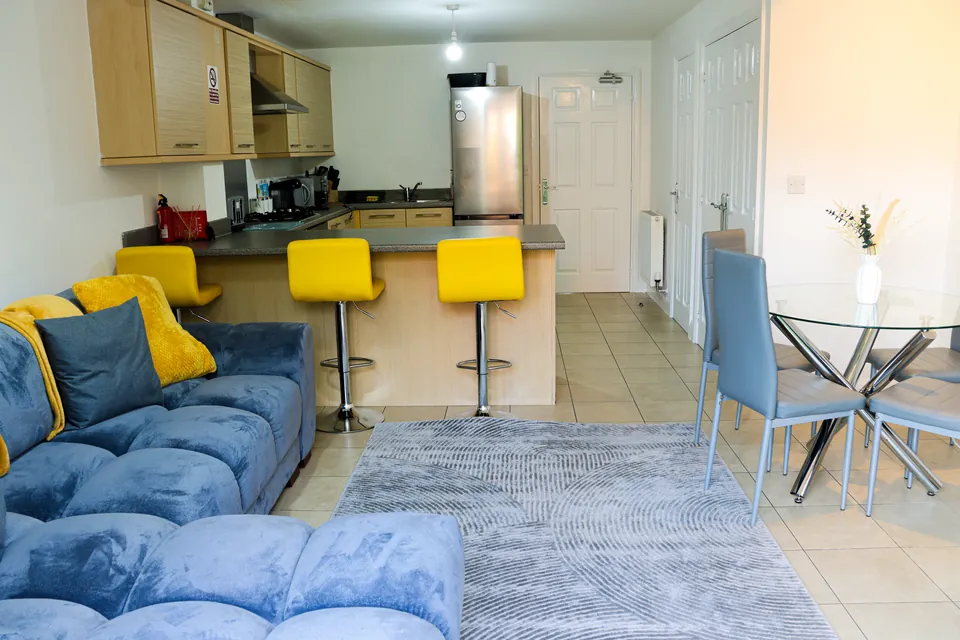
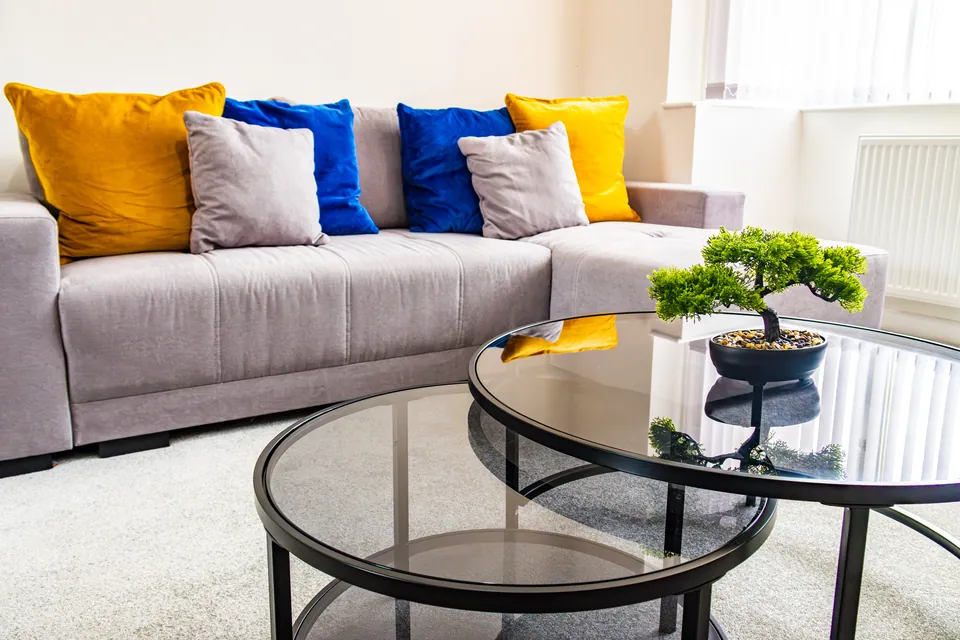
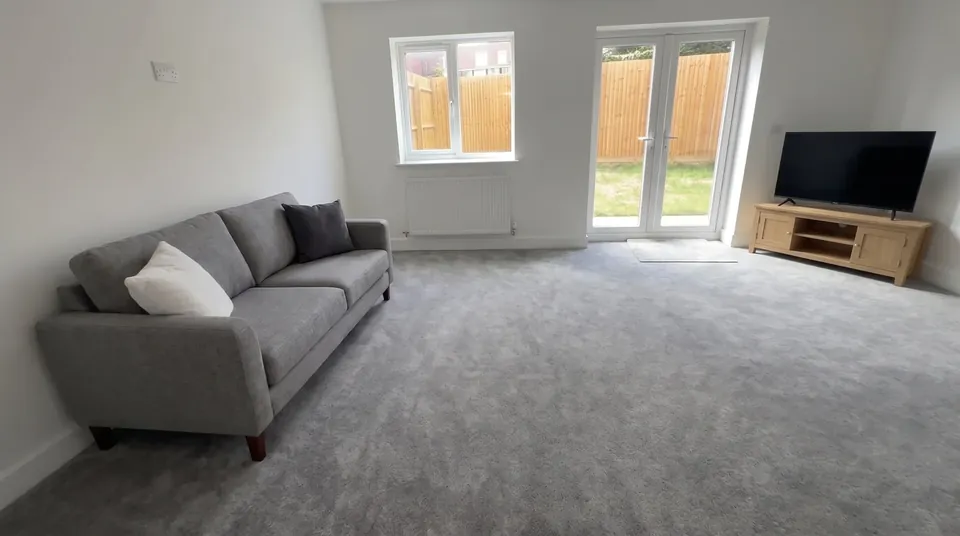
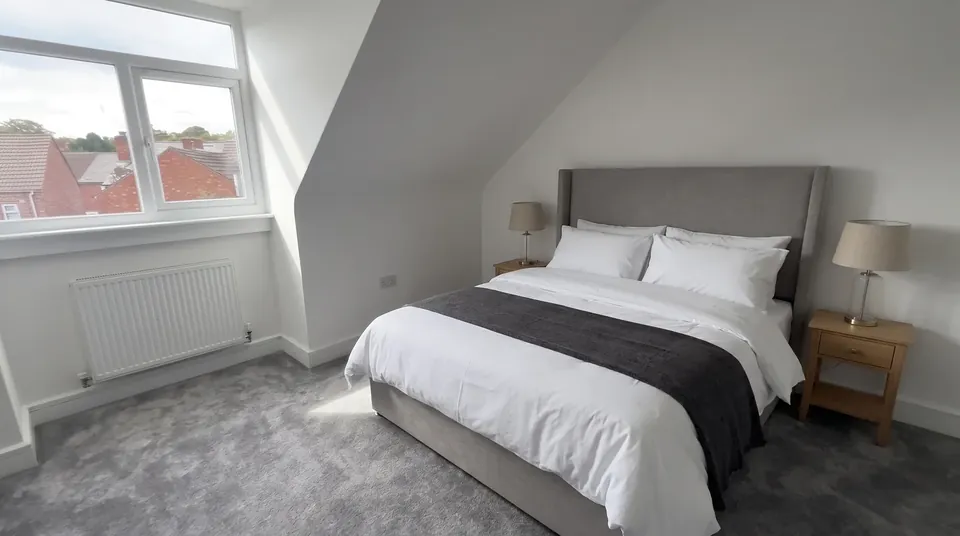
Humber Hub is about 14 miles by road from Warwick Castle, Stoke Lodge and Stoke House about 15 miles and Sullivan Heights about 17 miles. Warwick station, just north of the centre, has direct trains to Leamington Spa, Birmingham and London.
Sources: Wikipedia: Warwick; Wikipedia: Warwick Castle. Distances by road from each house, worked out on OpenStreetMap.